

 English
 中文简体
中文简体 Español
Llámenos
0086-574-62812860
0086-574-62811929

Nuestro equipo se enorgullece de ofrecer garantía de puntualidad y garantía de producto para la satisfacción del cliente.
Leer más
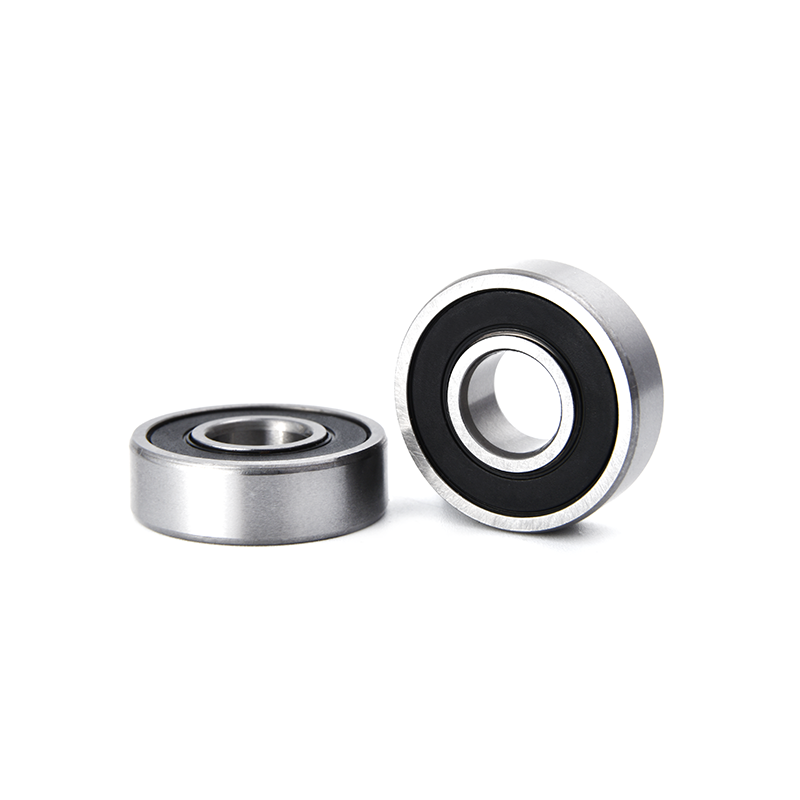
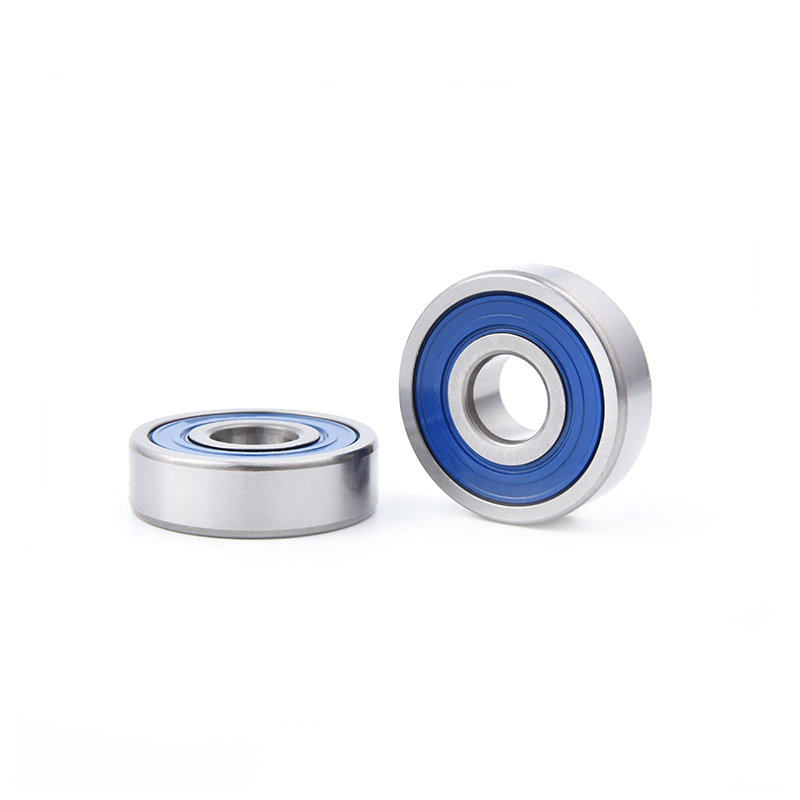
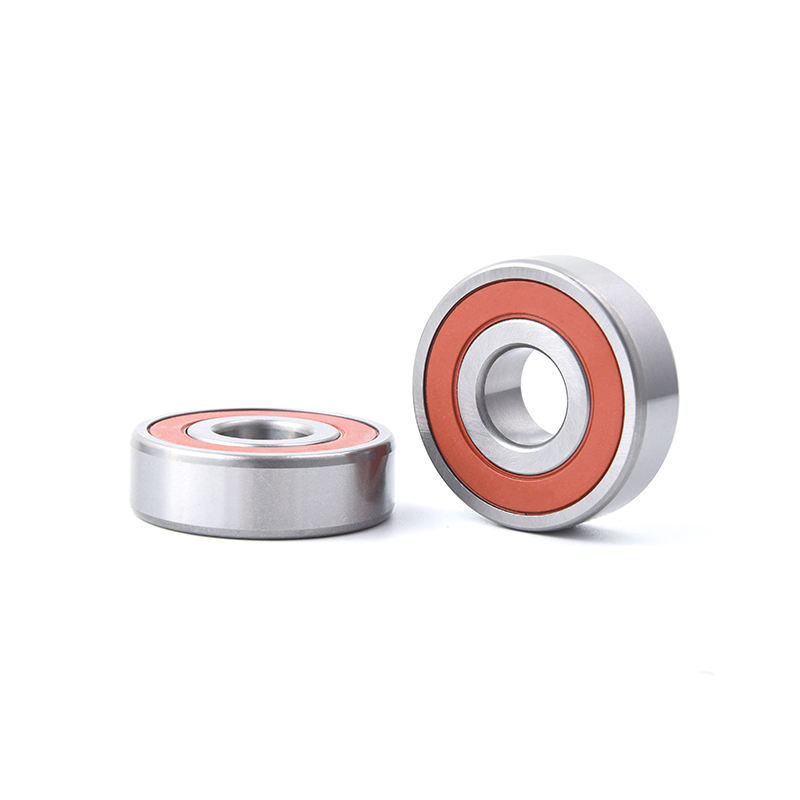
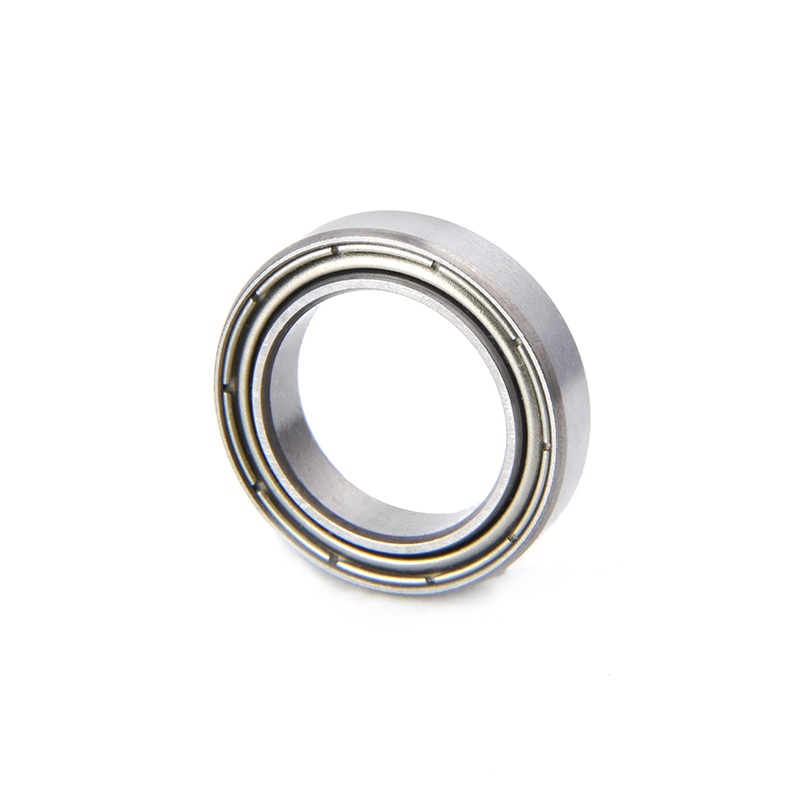
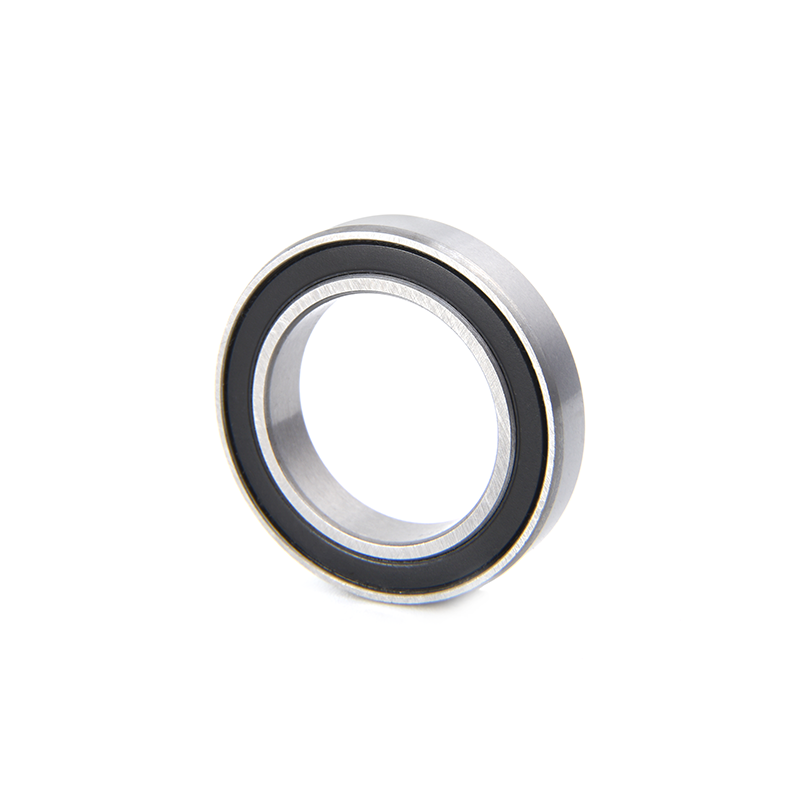
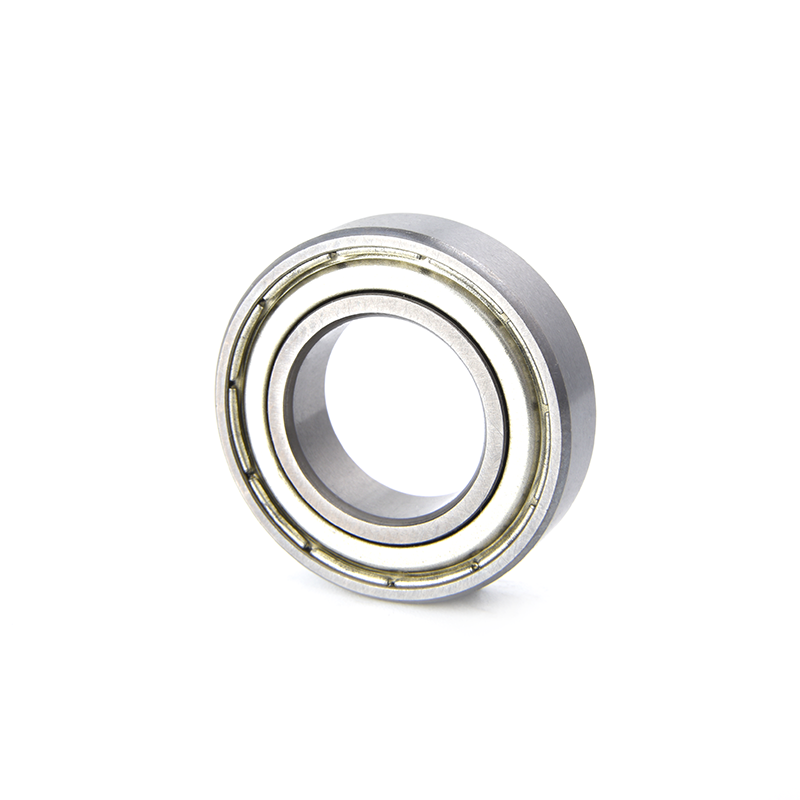
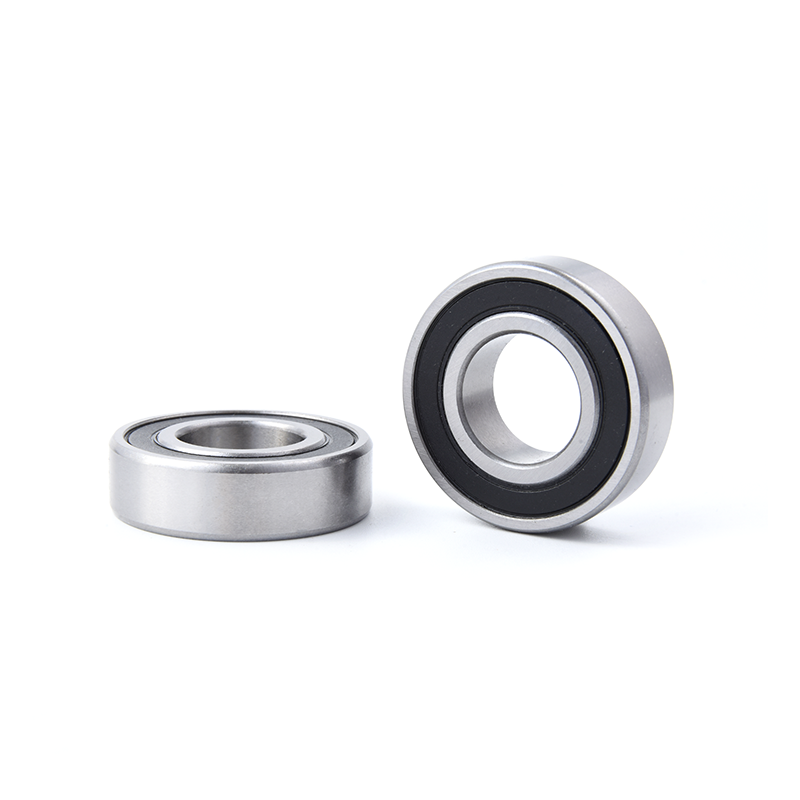
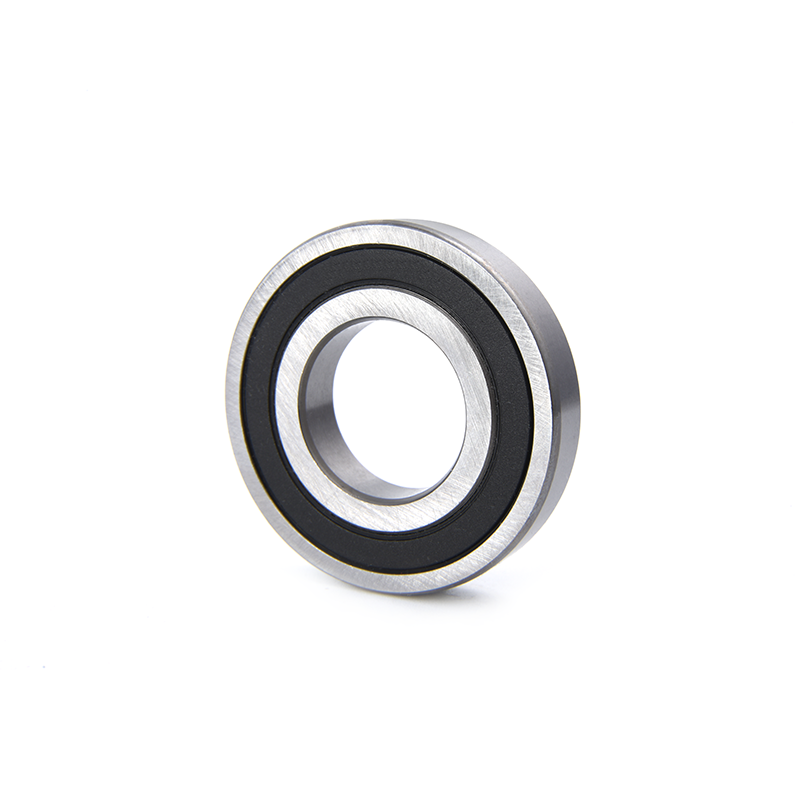
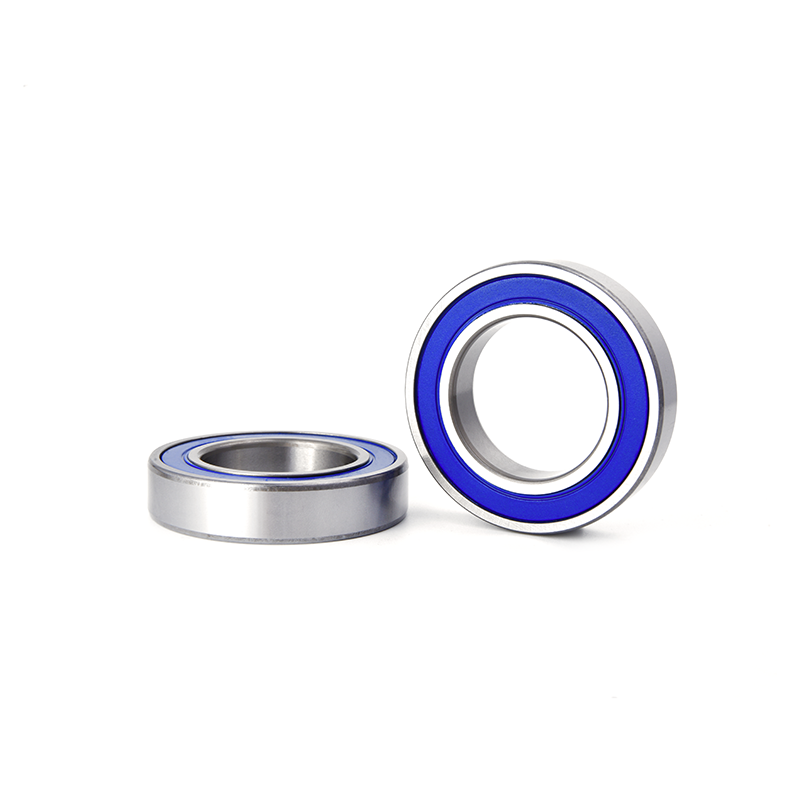
el Rodamiento rígido de bolas es uno de los tipos de rodamientos más utilizados en diversas industrias debido a su versatilidad, durabilidad y capacidad para manejar múltiples condiciones de carga. Comprender los tipos de cargas que un Rodamiento rígido de bolas puede soportar es crucial para seleccionar el rodamiento adecuado para aplicaciones específicas.
Contenido
Rodamiento rígido de bolass están diseñados principalmente para soportar dos tipos principales de cargas: cargas radiales y cargas axiales. Su estructura única les permite manejar cargas combinadas de manera eficiente, lo que los hace adecuados para una amplia gama de maquinaria y equipos.
Las cargas radiales actúan perpendicularmente al eje del eje. Rodamiento rígido de bolass son particularmente efectivos para manejar estas cargas debido a su diseño de pista de rodadura profunda, que proporciona un área de contacto más grande entre las bolas y los anillos interior y exterior. Este diseño garantiza una rotación suave y reduce el desgaste con el tiempo, lo que los hace ideales para aplicaciones de alta velocidad como:
Las cargas axiales, también conocidas como cargas de empuje, actúan paralelas al eje del eje. mientras Rodamiento rígido de bolass no están diseñados principalmente como rodamientos axiales, su geometría les permite soportar cargas axiales moderadas en ambas direcciones. Esto resulta ventajoso en aplicaciones en las que el rodamiento está sujeto a fuerzas radiales y axiales combinadas, como por ejemplo:
el most significant advantage of Rodamiento rígido de bolass es su capacidad para manejar cargas combinadas. Una carga combinada se produce cuando fuerzas radiales y axiales actúan simultáneamente sobre el rodamiento. El diseño de ranura profunda y el ángulo de contacto preciso entre la bola y la pista proporcionan la rigidez y distribución de carga necesarias para este tipo de aplicaciones. Los ejemplos incluyen:
Entendiendo cómo Rodamiento rígido de bolass Comparar con otros rodamientos comunes puede ayudar a seleccionar la mejor solución para condiciones de carga específicas.
el load capacity of a Rodamiento rígido de bolas depende de varios factores, entre ellos:
Seleccionando un Rodamiento rígido de bolas Adecuado para la carga esperada es esencial en industrias como:
Si bien pueden soportar cargas axiales moderadas, para aplicaciones con empuje pesado, los rodamientos de contacto angular o de bolas axiales son más adecuados.
el maximum radial load depends on the bearing size, material, and precision class. Manufacturers provide load ratings that must be checked against application requirements.
Sí, son ideales para operaciones de alta velocidad debido a su baja fricción y distribución eficiente de la carga. La lubricación y alineación adecuadas son fundamentales para mantener el rendimiento.
La desalineación aumenta la tensión sobre las bolas y las pistas de rodadura, lo que reduce la capacidad del rodamiento para manejar cargas axiales y radiales. Las soluciones de montaje autoalineantes o flexibles pueden mitigar esto.
Depende de la aplicación. Para cargas axiales moderadas, sí. Para cargas axiales elevadas o combinadas que requieren precisión, son preferibles los rodamientos de contacto angular.
Rodamiento rígido de bolass son componentes versátiles y confiables capaces de manejar cargas radiales, axiales y combinadas. Comprender los tipos de carga, los límites de capacidad y la comparación con otros tipos de rodamientos garantiza una selección y un rendimiento óptimos en aplicaciones industriales, automotrices y de maquinaria de precisión. La instalación, lubricación y mantenimiento adecuados mejoran aún más su durabilidad y capacidades de manejo de carga.

0086-574-62812860
0086-574-62811929


Oeste de la Zona Industrial de Zhangting, Yuyao, Ciudad de Ningbo, Provincia de Zhejiang, 315411, China
De lunes a viernes, le responderemos o nos llamaremos dentro de las 12 horas posteriores a la recepción de la consulta.

Contáctenos